
Where Tri-Valley's names come from
A typo that stuck, a Native vaquero, an Irish rancher, a Kentucky grandmother and a meat-drying rack: the stories behind ten Tri-Valley place names.
By Tri-Valley Today · October 20, 2026 · Pleasanton · Livermore · Dublin · San Ramon · Danville · Alamo · Sunol · Blackhawk · Diablo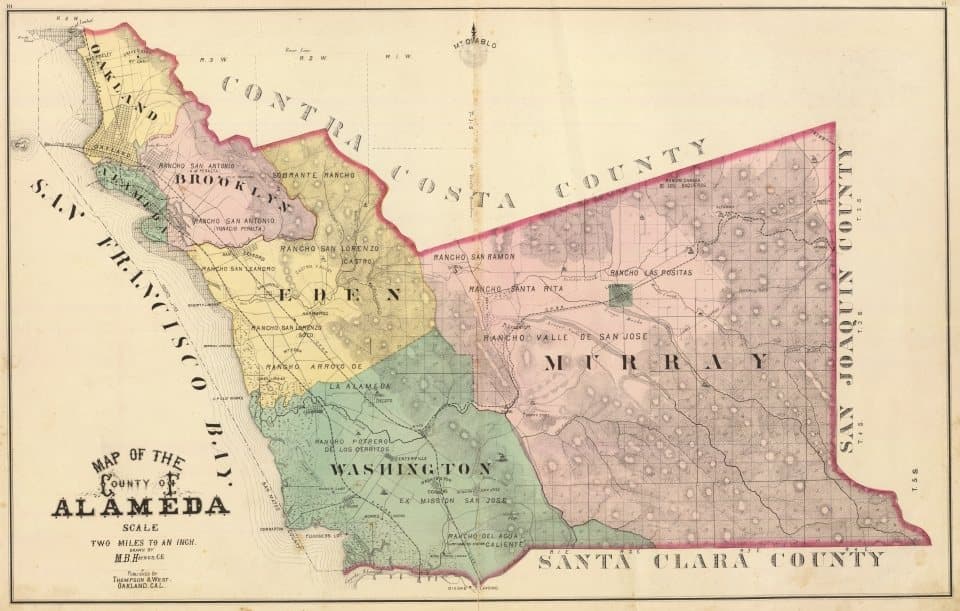
In June 1892 the San Francisco Examiner ran a story about where the area's town names came from. Its headline: "A Queer Mixture of Languages." It still holds. The Tri-Valley's names come from a Native vaquero, a Civil War general, an English sailor, an Irish rancher, a Kentucky grandmother and a racehorse, and at least one of them is spelled wrong. Here is where each name came from. (San Francisco Examiner, June 19, 1892)
Pleasanton: a typo that stuck
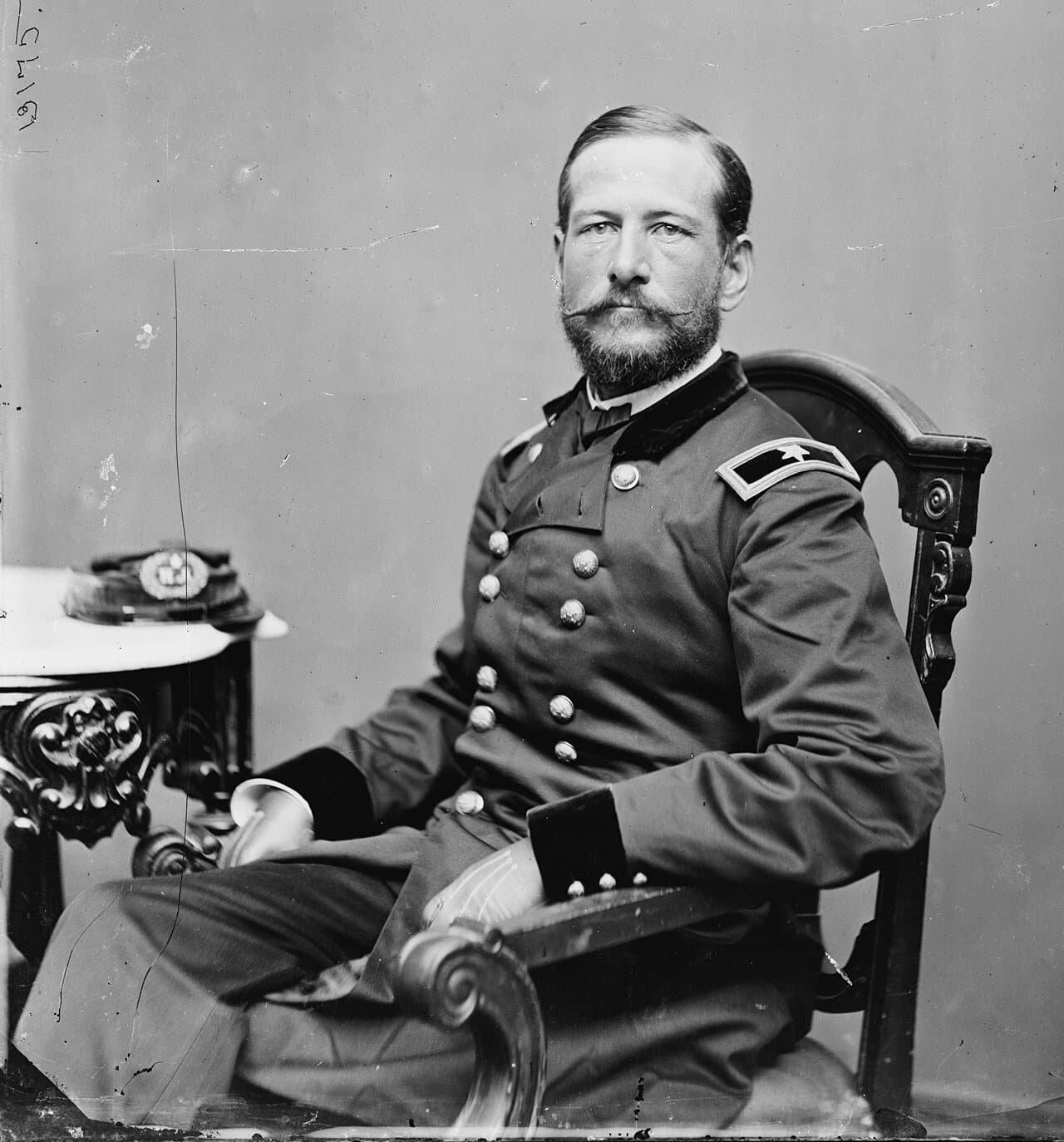
Pleasanton isn't short for "pleasant town." The 1892 Examiner said so while the town's founder, John W. Kottinger, was still alive. Kottinger admired the Civil War cavalry general Alfred Pleasonton, and in the 1860s he renamed the settlement, then called Alisal, after him. Somewhere between man and town, the "o" became an "a." People tried for about 20 years to fix it, and the 1898 Postal Guide actually printed "Pleasonton." A few years later it was back to Pleasanton for good. Local historians doubt the popular story that the two men were friends: there is no record that they ever met. (San Francisco Examiner, June 19, 1892; Oakland Tribune, 1951; Hacienda history)
Livermore: an English sailor who stayed
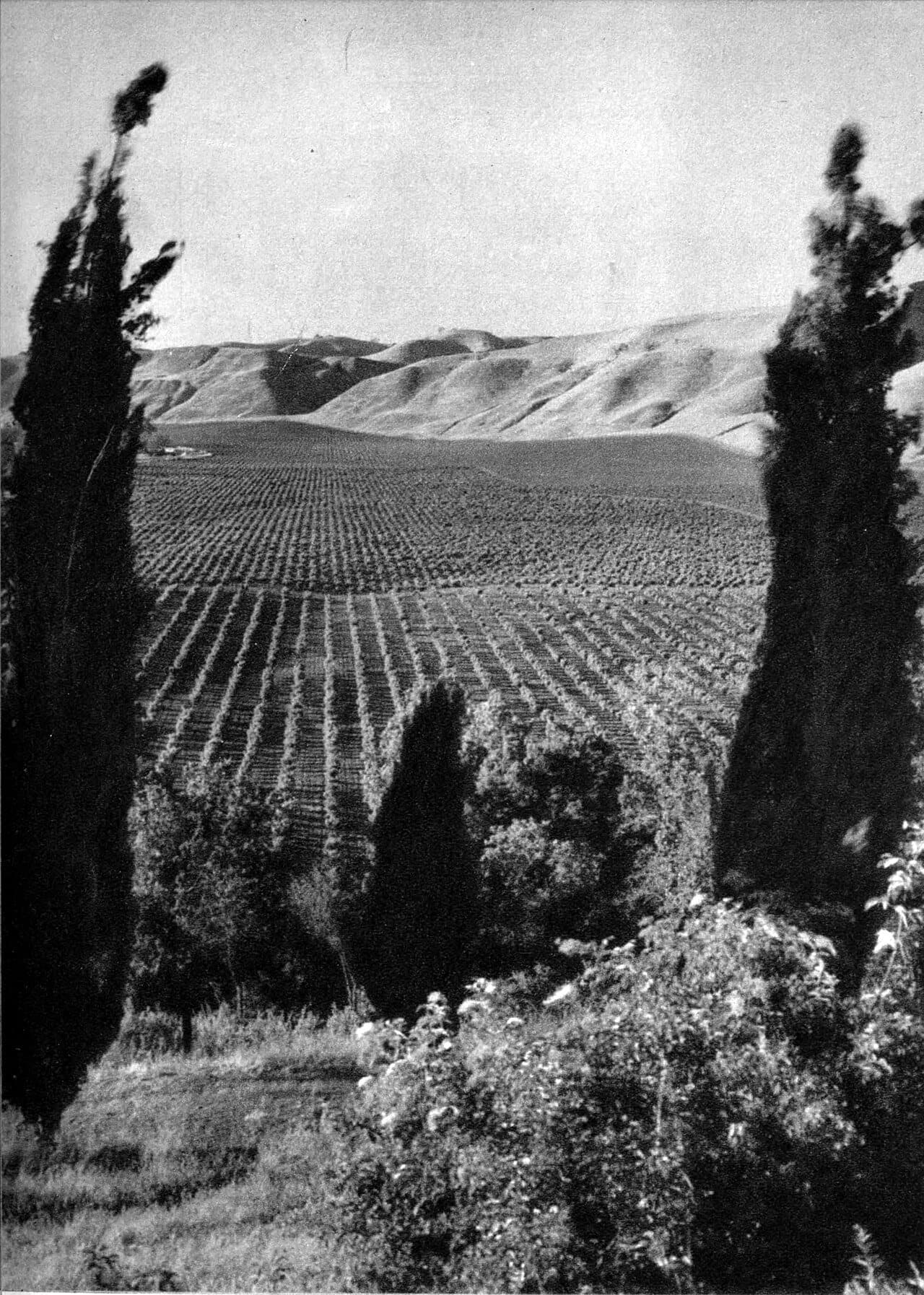
Robert Livermore was born in England, went to sea and landed in California in 1822. In 1839 he and his partner, José Noriega, were granted Rancho Las Positas, which covered much of today's Livermore. He died in 1858. In 1869 William Mendenhall named the new town after him; the two had met in 1846, when Mendenhall marched through the valley with Frémont's California Battalion. (Livermore Heritage Guild)
Dublin: blame the Irish (or one of them)
The crossroads at today's Dublin Boulevard and San Ramon Road was first called Amador's, then Dougherty's Station, after rancher James Witt Dougherty's hotel. The 1892 Examiner gave the credit for the names Dublin and Limerick to "the late John W. Dougherty, a Mississippi man of Irish descent" (the paper got his first name wrong: he was James Witt Dougherty). Local lore has him saying there were so many Irish around "you might as well call it Dublin." (San Francisco Examiner, June 19, 1892; Contra Costa County Historical Society)
San Ramon: named for a Native vaquero
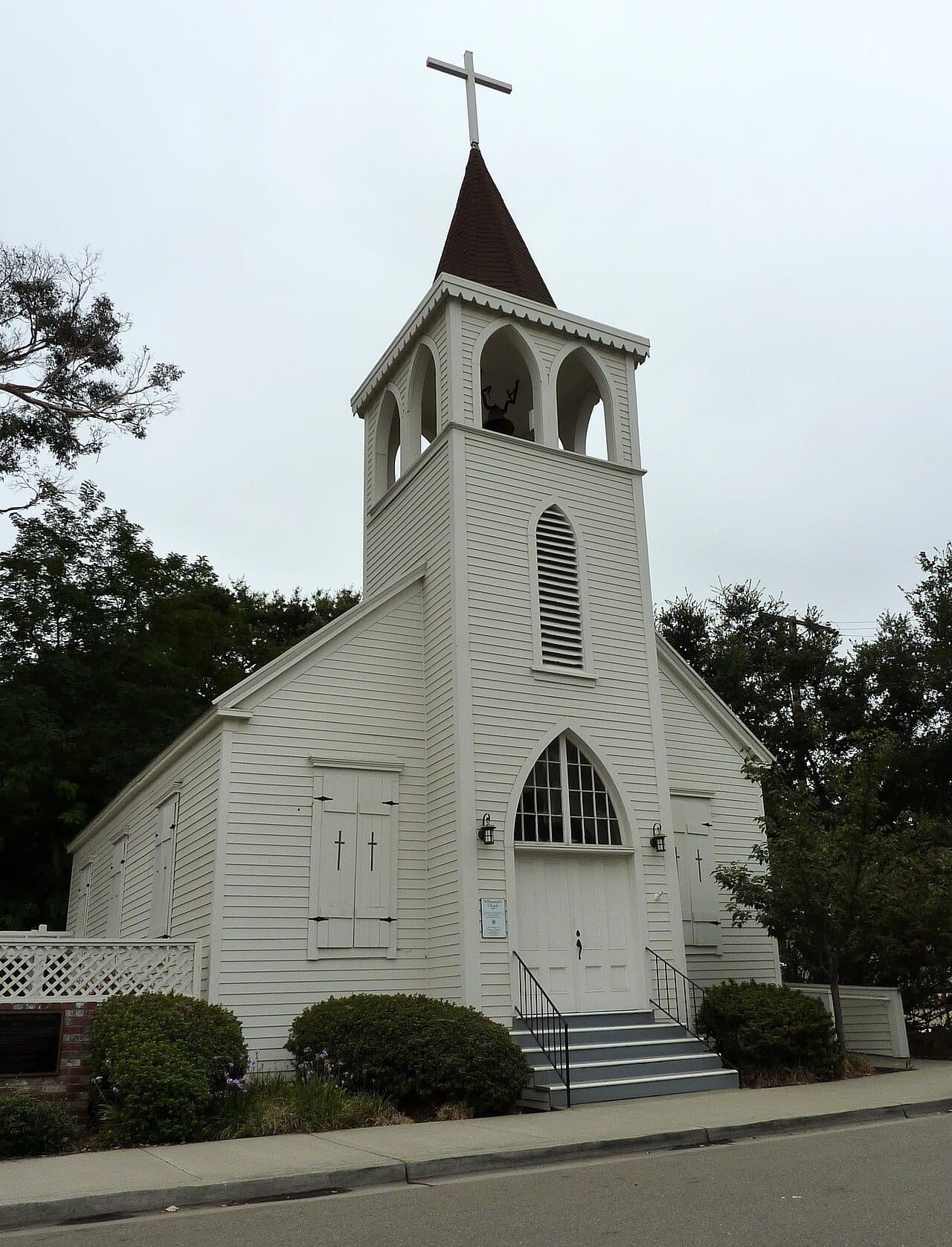
The valley's oldest name is "El Injerto," the grafted tree, after an oak and a willow that had grown together. It appears on an 1824 mission map. The name that stuck came from a man named Ramon, who tended Mission San José's sheep along the creek. Ranchero José María Amador testified about it in 1855 and said he added the "San" himself. Mission records suggest Ramon was Ramon Nonato, a Souyen man baptized in 1804 at age 6 (his own name was recorded as Usacse) who died in 1834. Naming a place after a Native person was rare at the time. After the Gold Rush the village also went by Brewensville, Lynchville and Limerick, until the 1891 railroad settled it as San Ramon. (Museum of the San Ramon Valley)
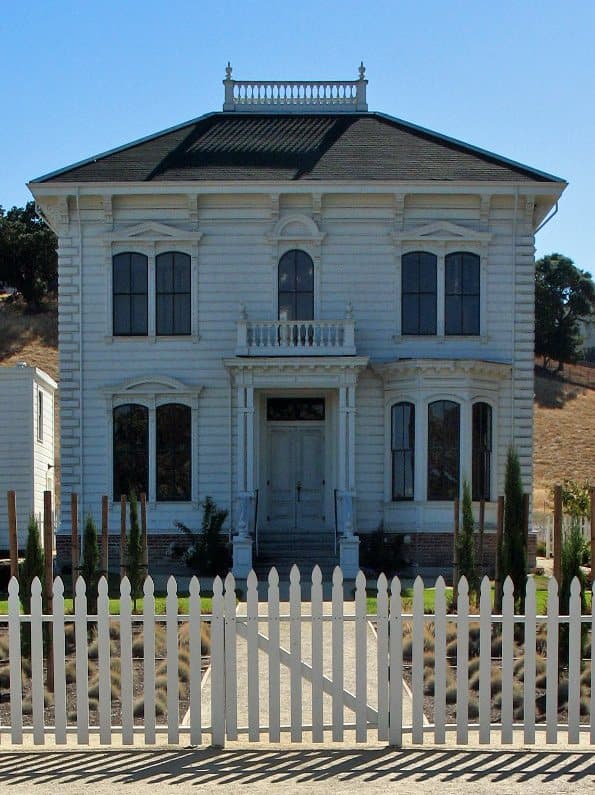
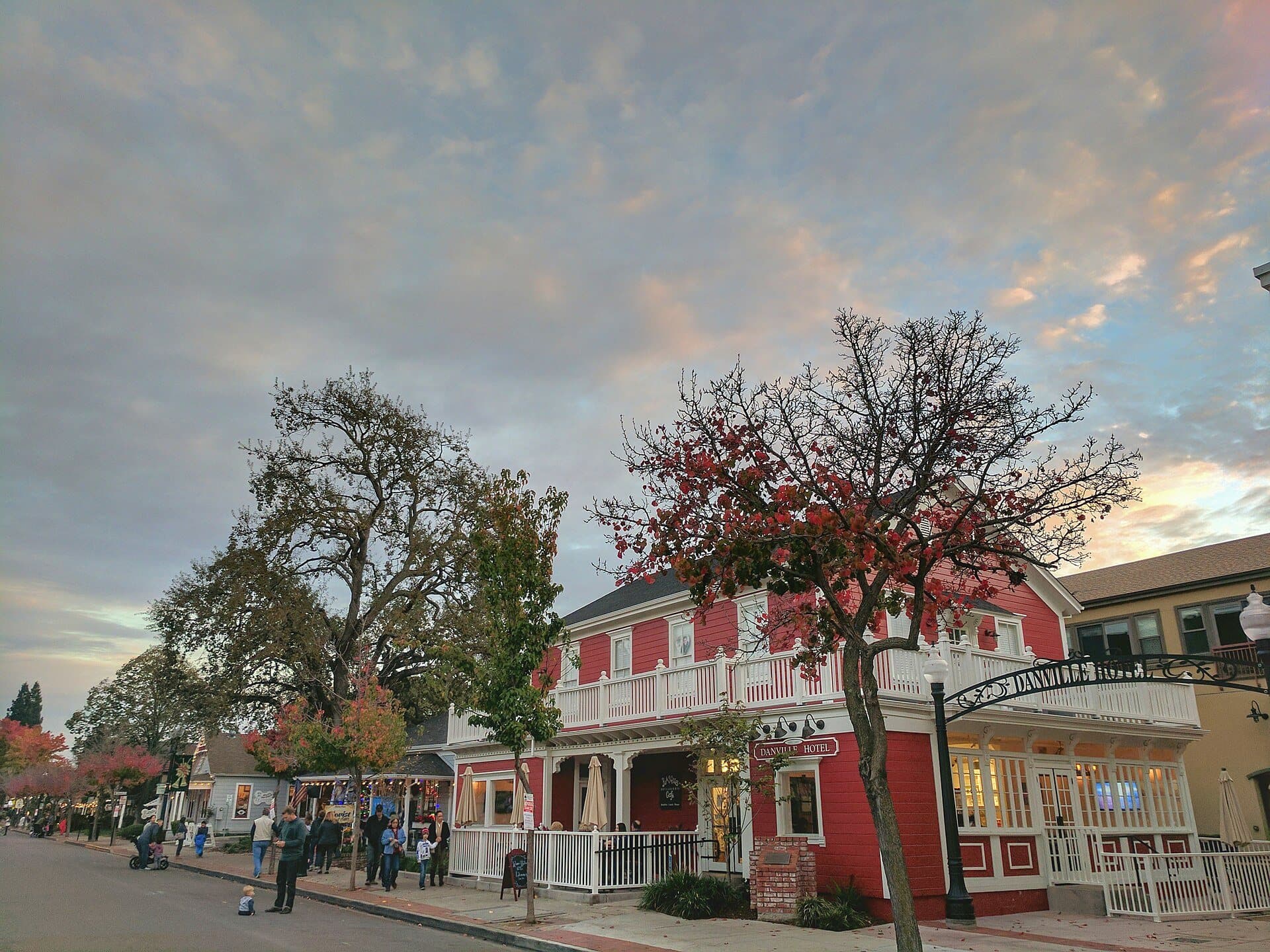
Danville: thanks, Grandma
When the settlement needed a name for its post office, the Inman brothers turned down "Inmanville." Andrew Inman's mother-in-law, Mrs. Young, suggested Danville, after her hometown in Kentucky, and it happened to honor young Dan Inman too. (Museum of the San Ramon Valley)
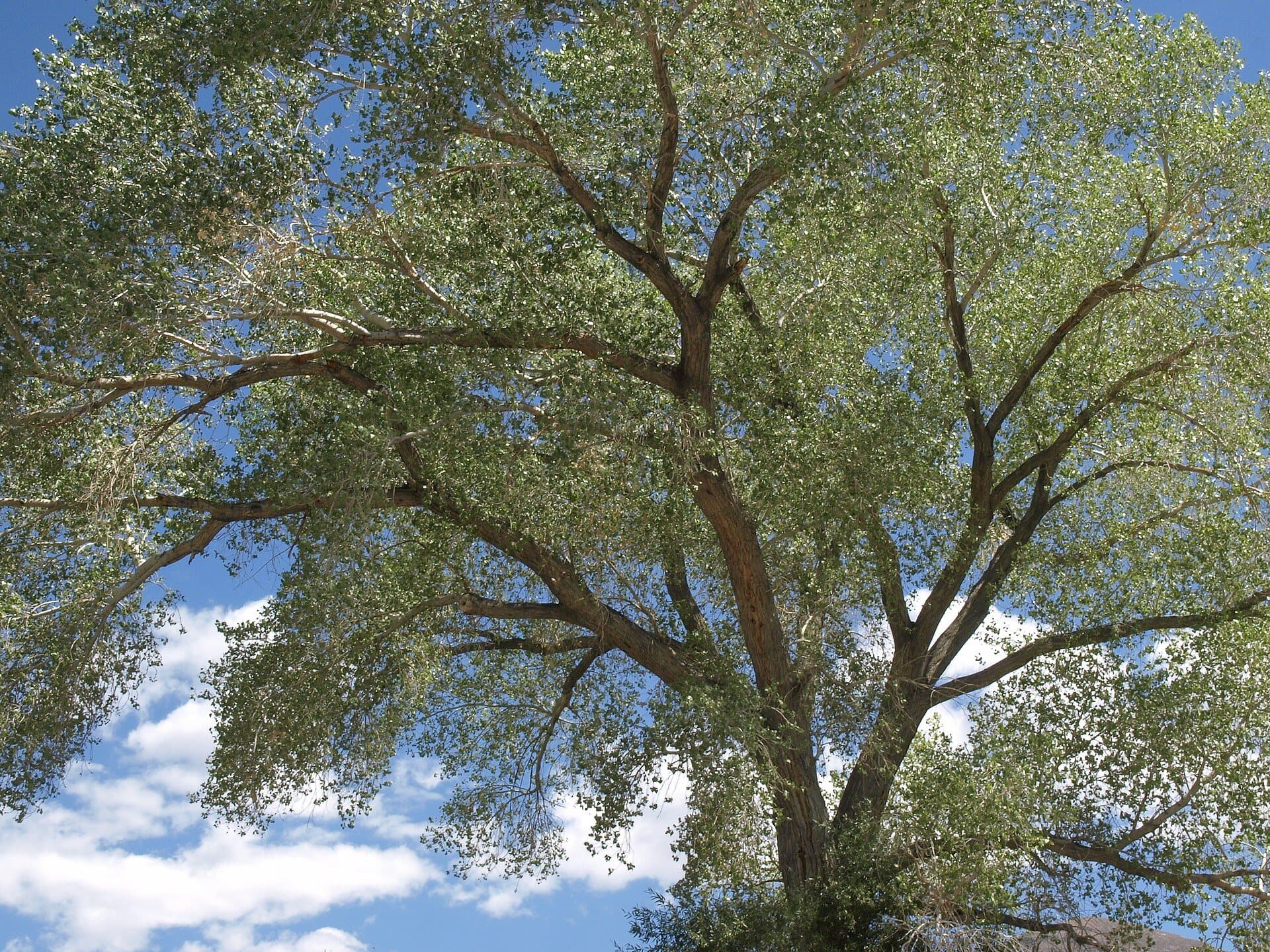
Alamo: the cottonwood
Álamo is Spanish for poplar or cottonwood, the same root as Alameda, a row of poplars. Alamo had the San Ramon Valley's first post office, opened in 1852. For a while the whole valley went by Alamo: when the writer Bret Harte worked as a tutor in the Tassajara Valley in 1856, he headed his letters "Alamo." (Museum of the San Ramon Valley)
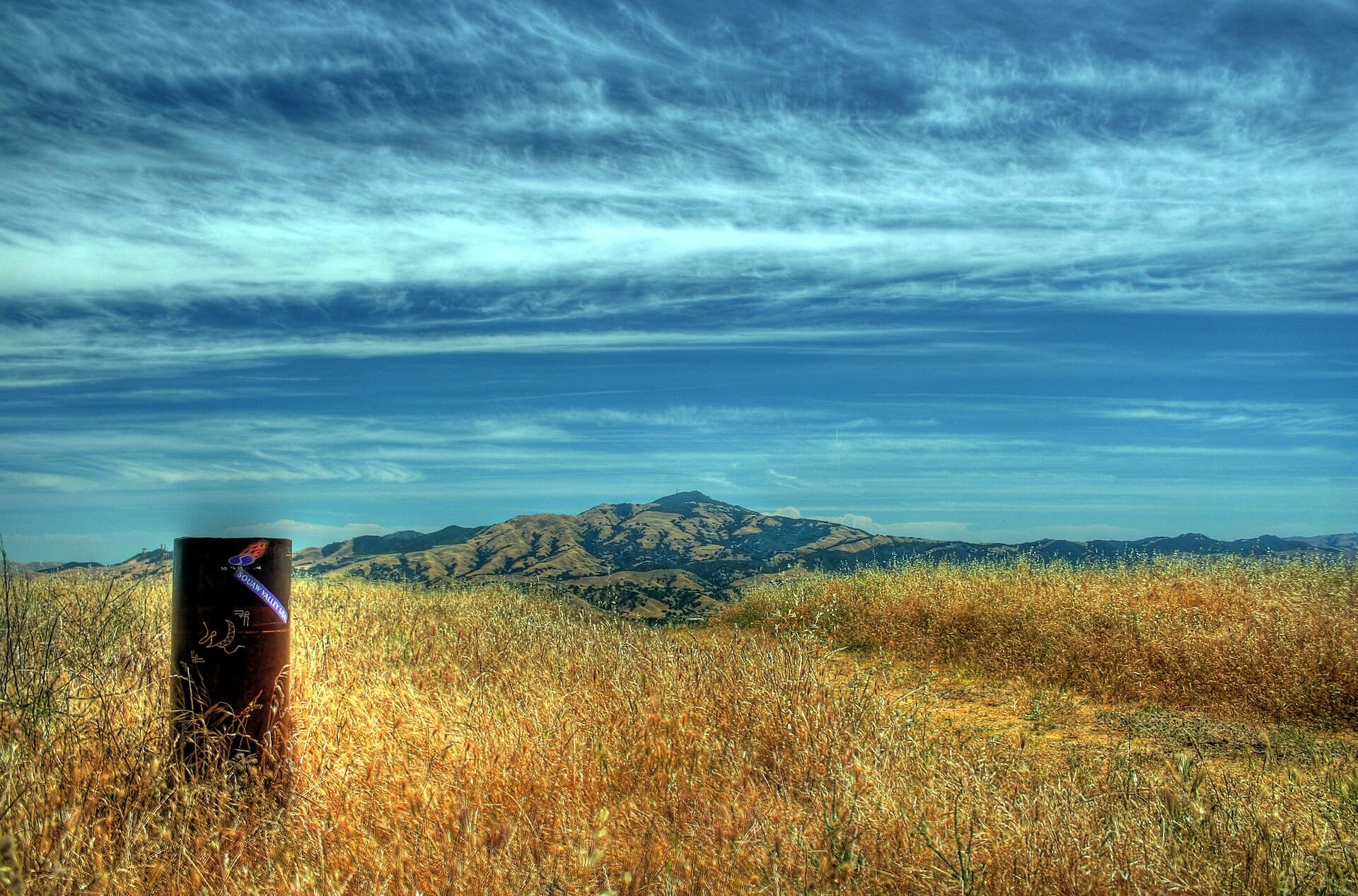
Mount Diablo: a thicket, not a mountain
Long before the Spanish arrived, the people south of the mountain called it Tuyshtak. Early Spanish records call it Cerro Alto de los Bolbones, the high point of the Volvon people. The devil came later. Around 1805, a group of Chupcan people from what is now Concord slipped away from Spanish soldiers at night through a willow thicket, and the soldiers called the spot Monte del Diablo, the devil's thicket. In Spanish monte can mean a thicket. English speakers read it as "mount," and the name moved to the peak. (Museum of the San Ramon Valley)
Sunol: once "SOON-yol"
Sunol is named for Antonio María Suñol, a Spanish-born Californio whose family owned the land around it, part of Rancho El Valle de San José. In 1892 the Examiner complained that "Yankee tongues" had turned the drawn-out "Soonyol" into a quick "S'nol." The local school still carries an older form of the name: Sunol Glen. (San Francisco Examiner, June 19, 1892; Sunol.net)
Tassajara: where the jerky hung
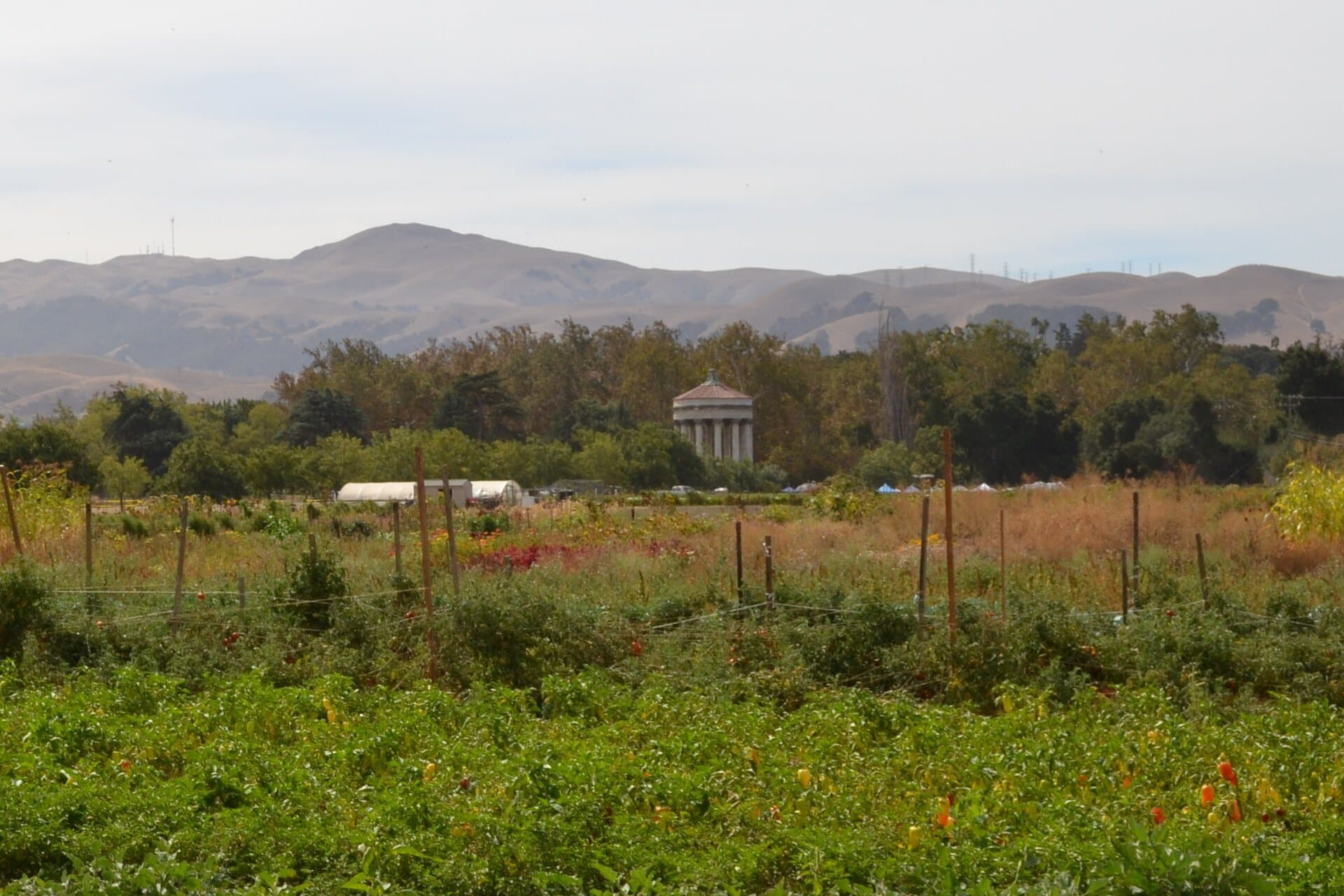
Tassajara sounds lovely. It comes from the Spanish tasajera, a place where meat is hung to dry. Rancho-era cowhands cut beef into strips, dipped them in brine and sun-dried them into charqui, which is where the English word "jerky" comes from. (Museum of the San Ramon Valley)
Blackhawk: the racehorse
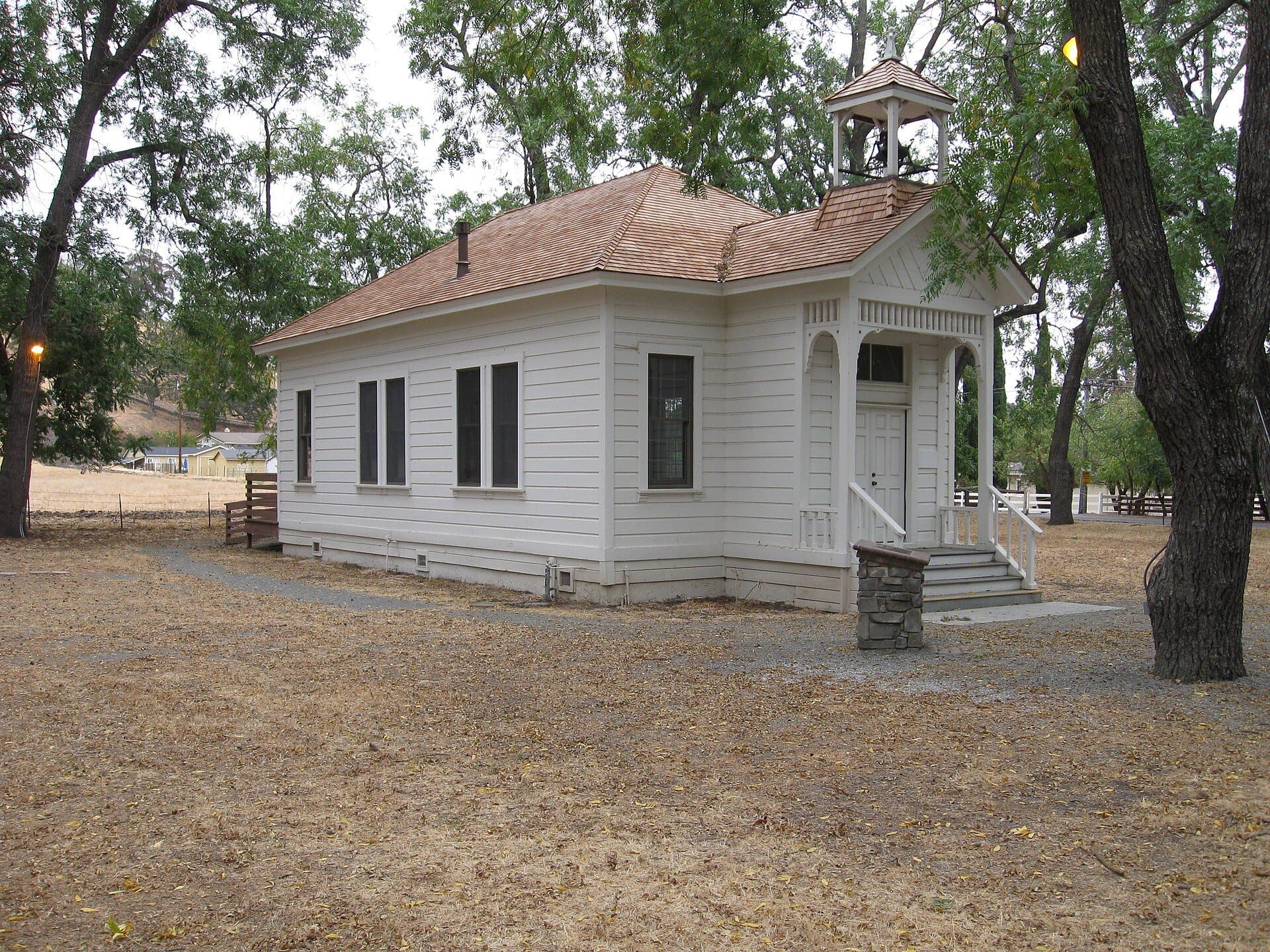
Blackhawk isn't named for the Sauk leader. It's named for an Irish racehorse the Easton family brought to California in the 1850s. That story, and nine more, is in our Blackhawk feature.
Sources
- San Francisco Examiner, June 19, 1892: Sticking labels on towns
- Oakland Tribune, Oct. 16, 1951: Pleasanton's misspelling and the 1898 Postal Guide
- Museum of the San Ramon Valley: San Ramon was named for a California Indian
- Museum of the San Ramon Valley: Alamo
- Museum of the San Ramon Valley: Tassajara
- Museum of the San Ramon Valley: They came first
- Museum of the San Ramon Valley: Danville's name
- Livermore Heritage Guild: Robert Livermore
- Contra Costa County Historical Society: James Witt Dougherty and the Dougherty Valley
- Hacienda: Pleasanton history (1983)
- Sunol.net: About Sunol