
Tao House: the six years America's greatest playwright hid in the Danville hills
Eugene O'Neill named his house for the Chinese word for "the way," wrote Long Day's Journey Into Night there, and was almost never seen in town. Then the house nearly disappeared.
By Tri-Valley Today · October 19, 2026 · Danville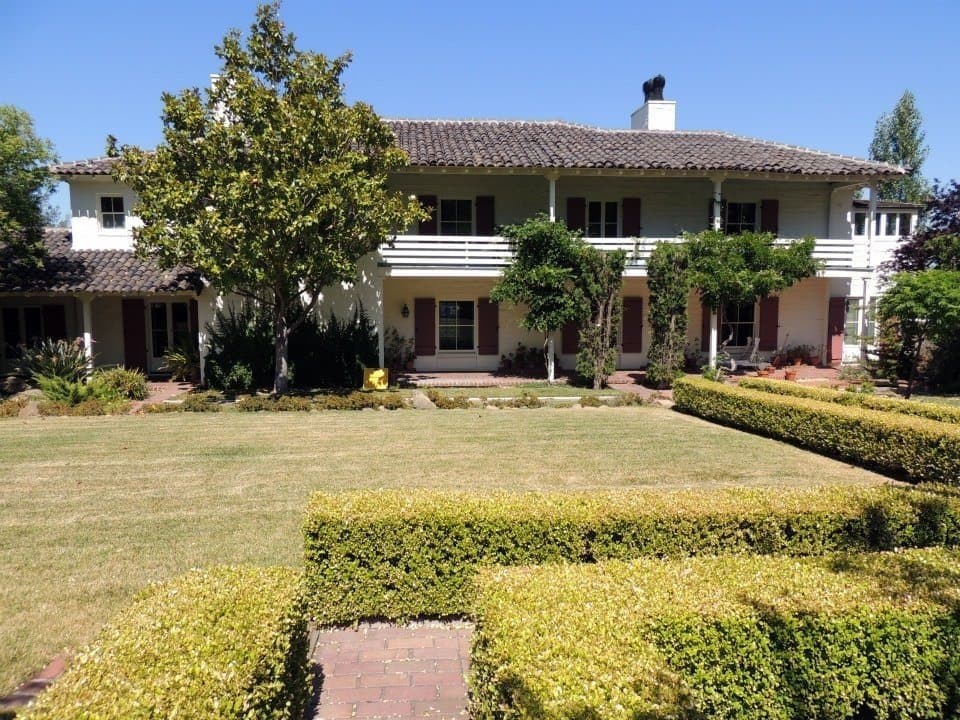
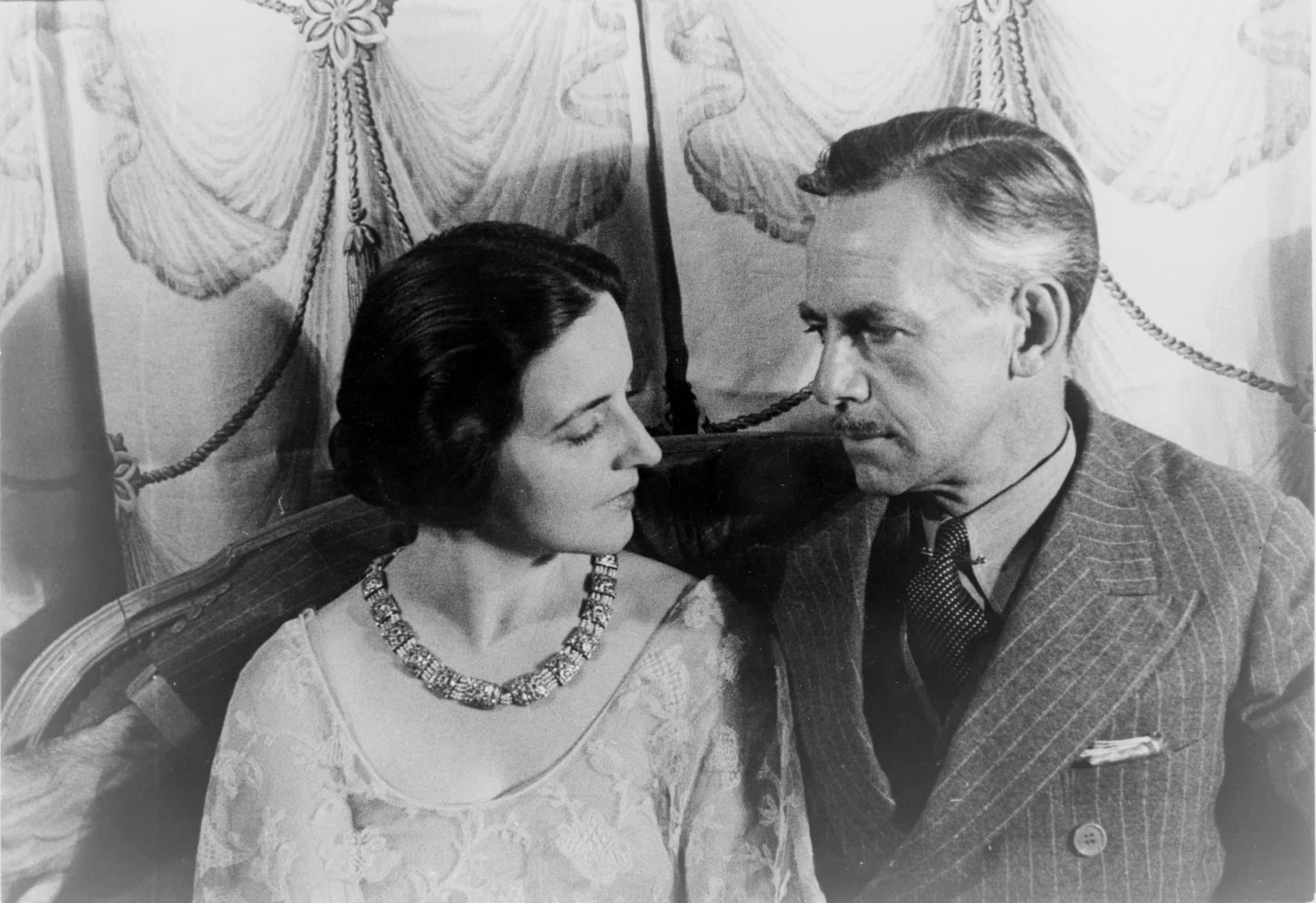
In 1936 Eugene O'Neill became the first American playwright to win the Nobel Prize in Literature. He is still the only one. A few months later he and his wife, Carlotta Monterey, bought a ranch in the hills west of Danville and built the house where he would write his greatest plays. Danville barely saw him. Here is the story of those six years, and of the fight that kept the house standing, told through the local papers of the time.
A house called "the way"
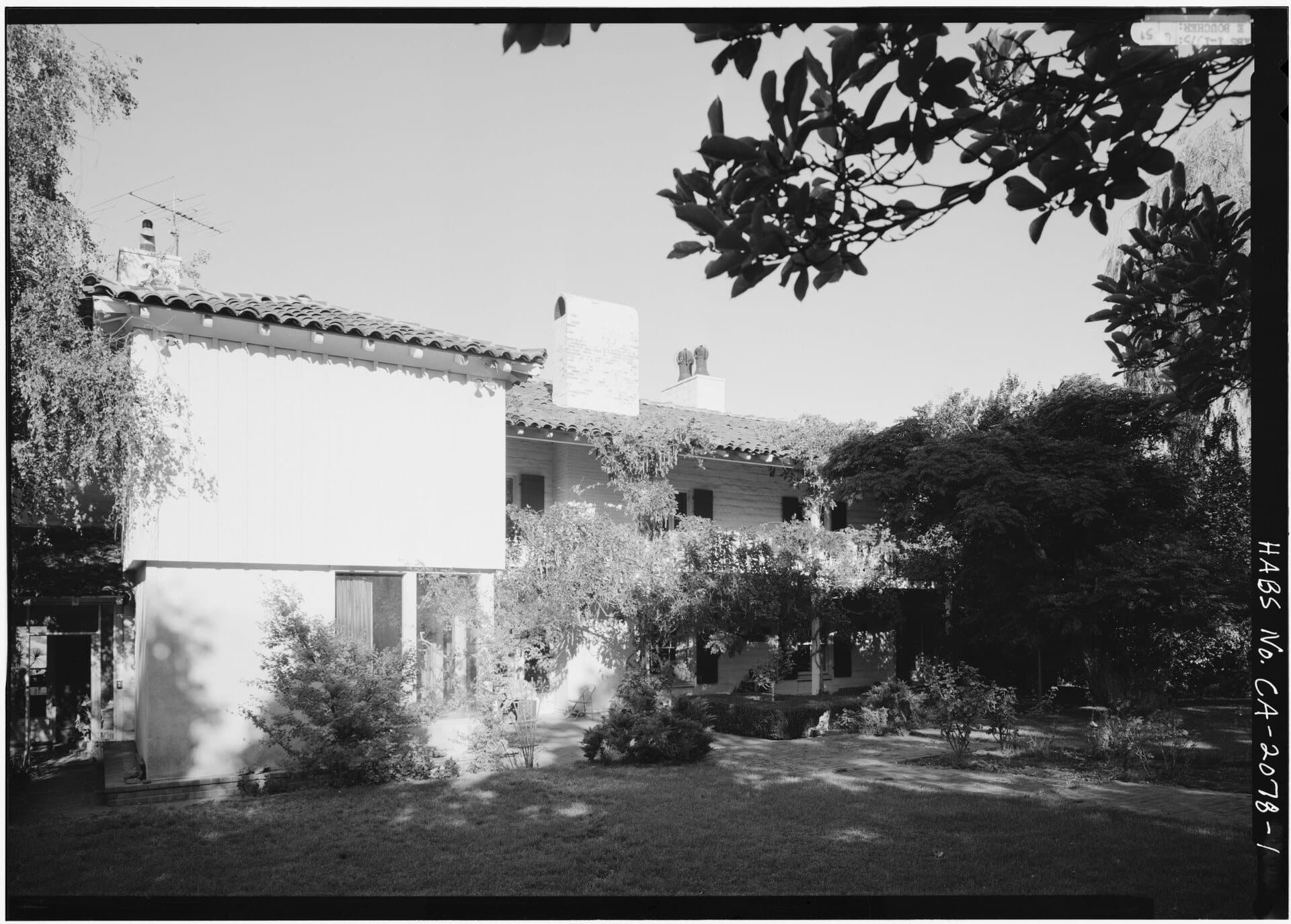
Early in 1937 the O'Neills bought a 158-acre ranch on the slopes of the Las Trampas hills. Carlotta designed the house with architect Frederick Confer and called it, in her own words, a "pseudo-Chinese house." Outside it looks like a Spanish colonial ranch house: white walls, a tile roof, red shutters. Inside there were deep blue ceilings, red doors, dark floors and Chinese furniture bought through Gump's in San Francisco. Even the walk to the front door bends instead of running straight. They named it Tao House, after the Chinese word 道, which they took to mean "the right way of life." (National Register nomination; Contra Costa Times, July 11, 1965)
Three "Keep Out" signs
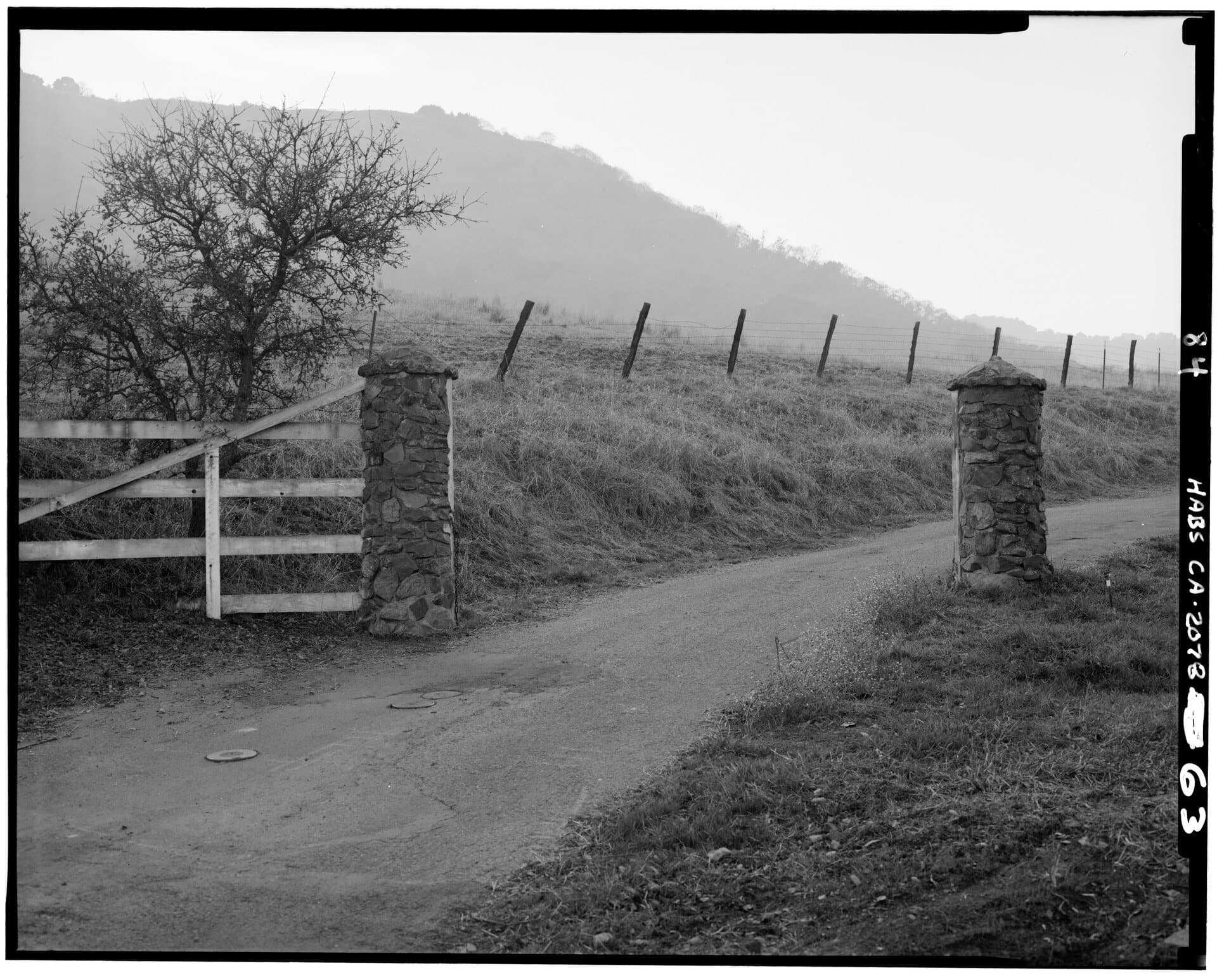
When O'Neill turned 50 in October 1938, the San Francisco News described the house: 20 rooms, white walls, three chimneys, dull-red shutters and a walled garden, on a hilltop above prune and walnut orchards. Schoolchildren in Danville and Walnut Creek had read his plays, excited that a famous writer was moving in. But they never went past the three "Keep Out" signs on the winding road up the hill, and, the paper said, they had never seen him. (San Francisco News, Oct. 14, 1938)
The plays he wrote upstairs
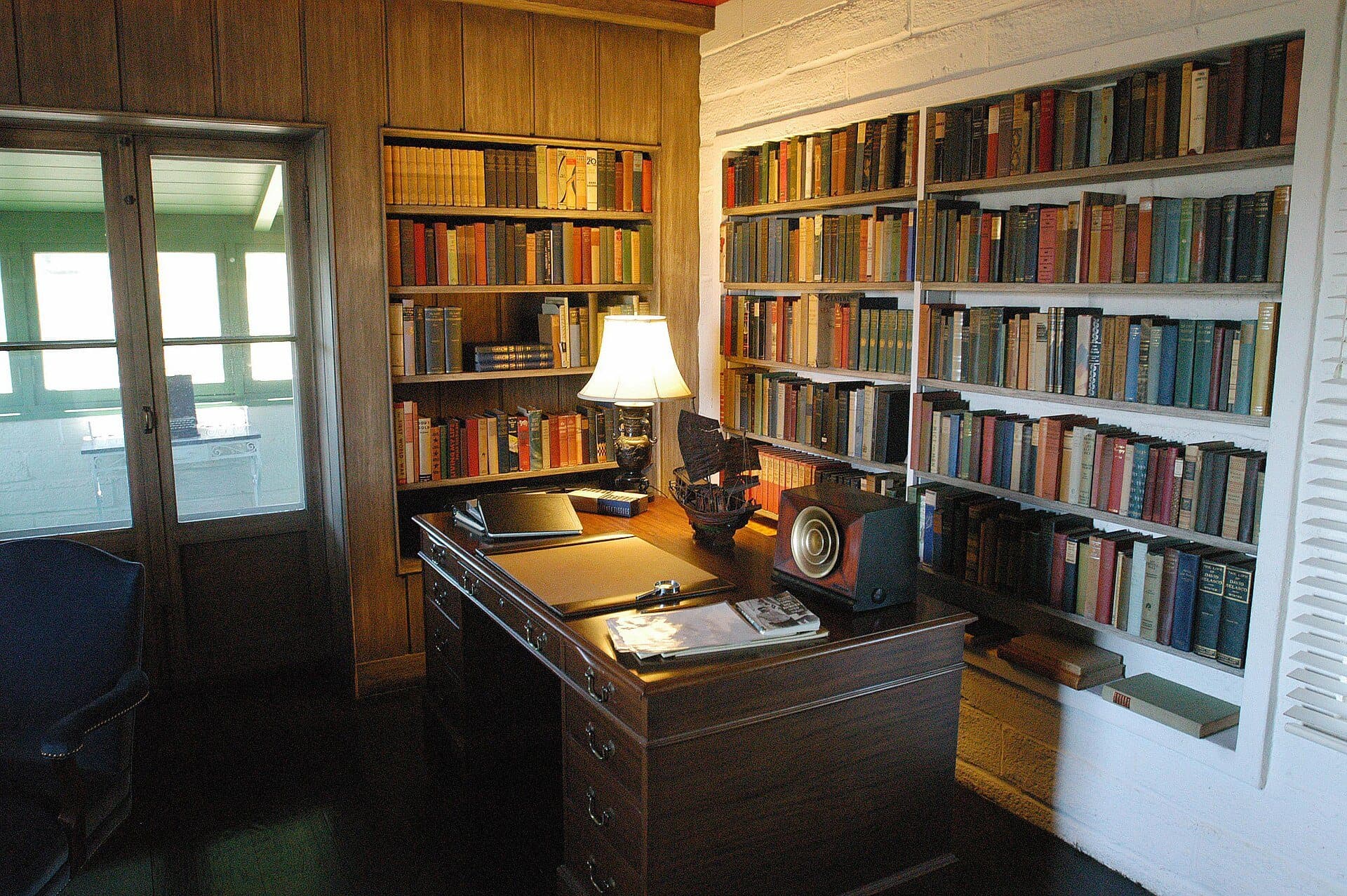
O'Neill wrote every morning in his study until about 1 p.m., then napped, swam or walked with Carlotta. In that room he wrote The Iceman Cometh, A Moon for the Misbegotten and Long Day's Journey Into Night, his portrait of his own family. He wanted Long Day's Journey kept sealed until 25 years after his death. Carlotta had it published in 1956, three years after he died, and it won the Pulitzer Prize. (National Park Service; Danville San Ramon, 2026)
A Dalmatian named Blemie
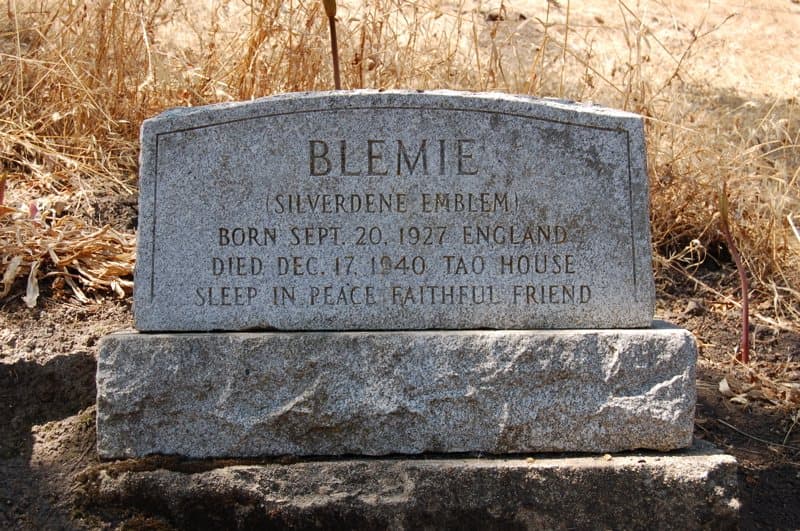
The most beloved resident of Tao House may have been Silverdene Emblem, a Dalmatian everyone called Blemie. The O'Neills treated him like a child. When he died in December 1940, O'Neill wrote a farewell in the dog's own voice, "The Last Will and Testament of an Extremely Distinguished Dog," which ends by asking his family to get another dog. Blemie is buried on the grounds; his headstone reads "Sleep in peace, faithful friend." (National Park Service)
The hardware man who drove him to the doctor
One of the few people in town who knew the O'Neills was Curtis Haskell, owner of the Danville Hardware Co. They shopped at his store, he delivered something to the house one day, and they became friends. To him it wasn't anything unusual: "just a nice, livable, comfortable house." During World War II, O'Neill's tremor got so bad he could no longer drive, and Haskell regularly drove the couple into Oakland for his medical treatments. The illness, misdiagnosed in his lifetime as Parkinson's disease, slowly took away his ability to write. (Contra Costa Times, July 11, 1965)
Sold, with a nod to Charlie Chaplin
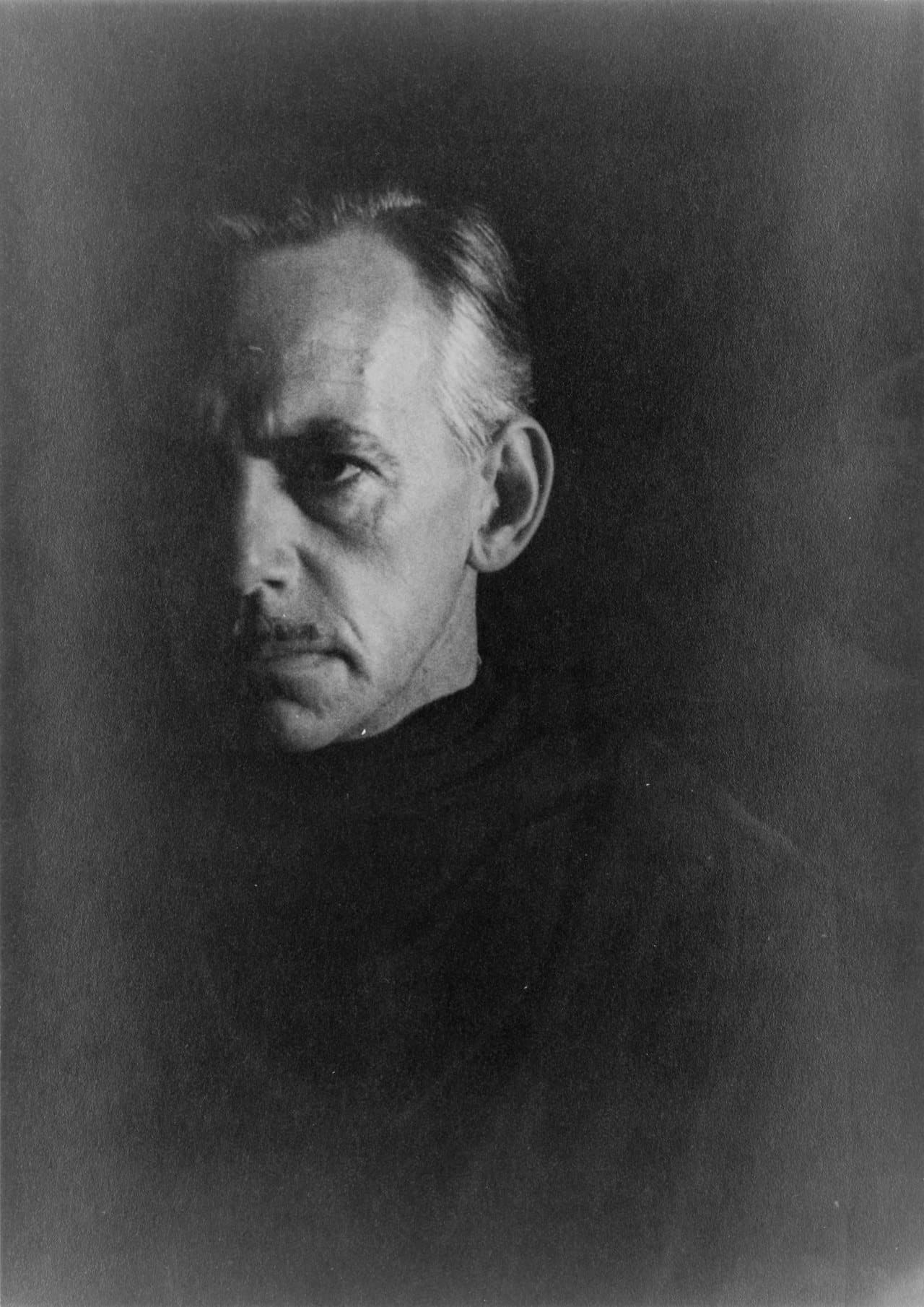
In February 1944 the O'Neills sold Tao House to Arthur W. Carlson, an Oakland attorney and state assemblyman, for an estimated $58,000, and moved back East. The United Press story that ran across the country introduced the Nobel winner as "father of Oona O'Neill, wife of Charlie Chaplin." Oona had married Chaplin the summer before, at 18, and her father never spoke to her again. O'Neill never finished another play after leaving Danville. He died in a Boston hotel in 1953. (San Francisco News, Feb. 24, 1944; Alameda Times-Star, Feb. 24, 1944)
The Park Service said no
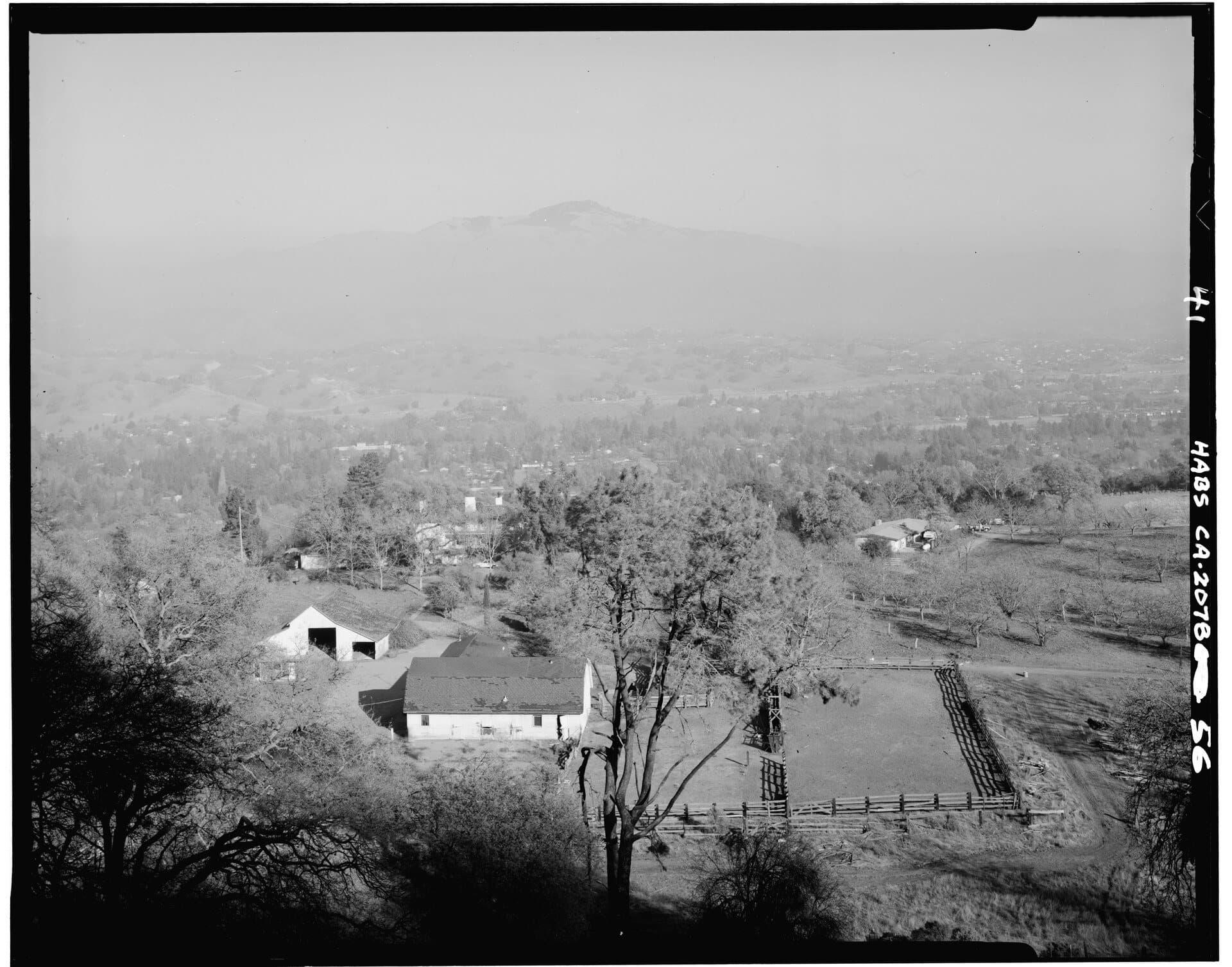
By the late 1960s the house faced a housing development. Local women led by Thalia Brewer, Darlene Blair and Lois Sizoo organized to save it, and in 1974 the Eugene O'Neill Foundation formed to preserve it. Then, in March 1976, the National Park Service told Congress not to accept Tao House as a gift. The headline: "Rejection slip for O'Neill." Actor Jason Robards argued the other way: English literature, he said, had only three writers of that stature, Shakespeare, Shaw and O'Neill. Congress made Tao House a National Historic Site that fall. (Sacramento Union, March 26, 1976; Danville San Ramon, 2026)
A sweater, a hearing and a shuttle
Opening the house to the public was its own fight. At a packed hearing at Monte Vista High School in 1982, UC Berkeley drama professor Travis Bogard held up a baggy sweater O'Neill had probably worn while writing The Iceman Cometh, and the room turned hostile. Neighbors feared that crowds would ruin their quiet hills. The compromise still shapes every visit: the house sits behind a private gate, and visitors can't drive in. (San Francisco Chronicle, June 7, 1982)
Visiting today
Tao House is the Tri-Valley's only unit of the National Park System, and it is free. Reserve ahead with the National Park Service, then take the complimentary shuttle from downtown Danville up the hill. Leave time to walk past the barn to Blemie's grave. (Plan your visit)
Sources
- San Francisco News, Oct. 14, 1938: Eugene O'Neill concentrates on plays, forgets birthday
- San Francisco News, Feb. 24, 1944: Eugene O'Neill sells his estate
- Alameda Times-Star, Feb. 24, 1944: Eugene O'Neil home sold to Oakland man
- Contra Costa Times, July 11, 1965: O'Neill's greatest work produced at Danville
- Sacramento Union, March 26, 1976: Rejection slip for O'Neill
- San Francisco Chronicle, June 7, 1982: Residents fear that opening Tao House to the public will ruin their environment
- National Park Service: Eugene O'Neill National Historic Site
- National Park Service: Gravesite of Silverdene Emblem (Blemie)
- National Register of Historic Places nomination: Tao House
- Danville San Ramon, Aug. 7, 2026: The complicated history of the Tri-Valley's only national park site