
10 things you didn't know about Blackhawk
A racehorse, a dynamite fire, a buyer "in Switzerland" and a car museum UC Berkeley once part-owned. Blackhawk's story, from a century of local newspapers.
By Tri-Valley Today · October 19, 2026 · Blackhawk · Danville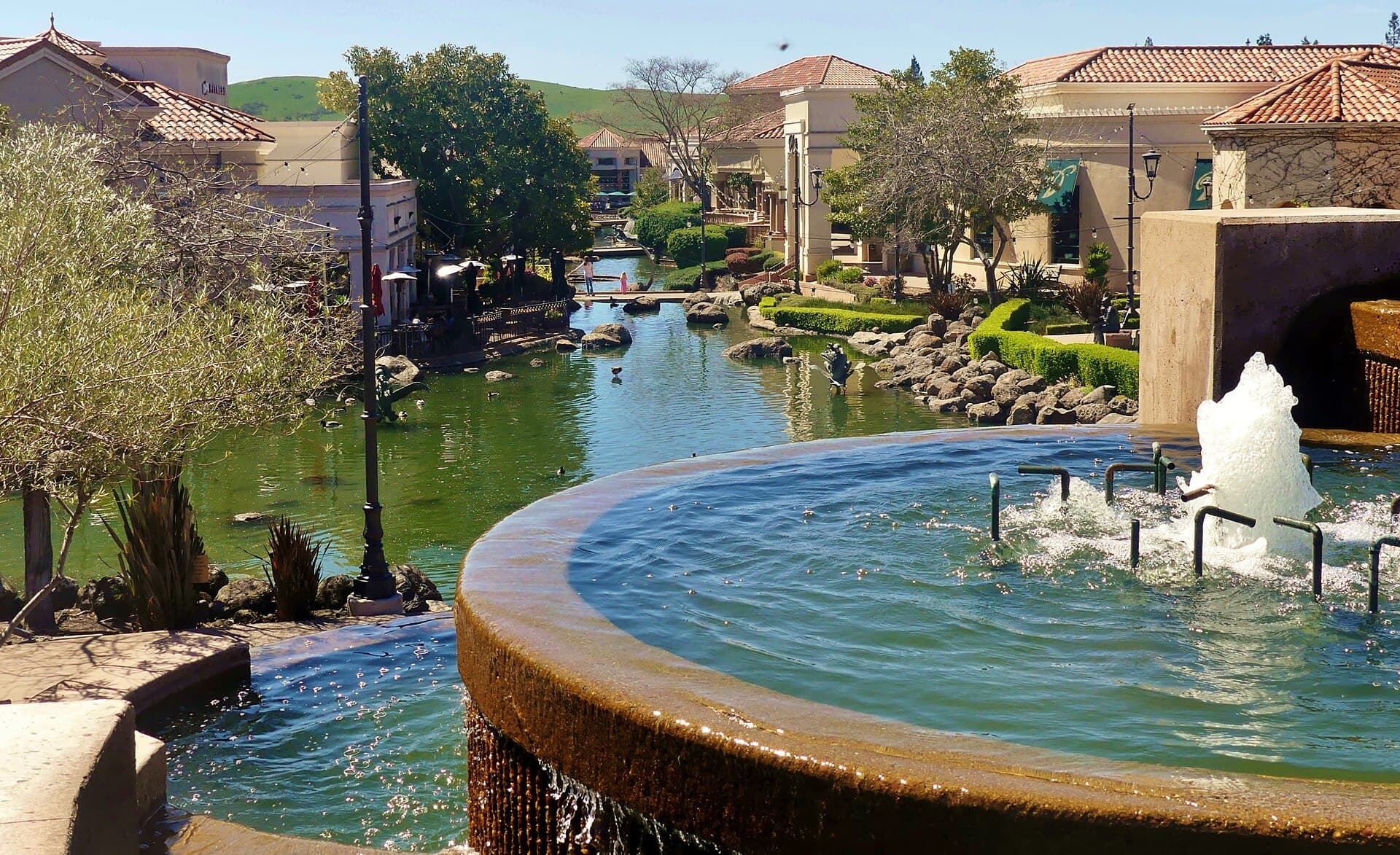
Behind the gates and golf courses, Blackhawk has one of the stranger histories in the Tri-Valley. We read through a century of local newspapers to find the best of it. Each fact links to the original clipping.
1. It's named after a racehorse
The name doesn't come from the Sauk leader Black Hawk. It comes from an Irish thoroughbred called Black Hawk that the Easton family brought to California in the 1850s, said to be the first thoroughbred imported for breeding and racing. The family named its ranch on the Peninsula after the horse, and when the Eastons moved their ranch to the foot of Mount Diablo around 1916, the name came too. (Crocker Art Museum portrait, 1859; Museum of the San Ramon Valley)
2. The owner's new mansion burned down before it was finished
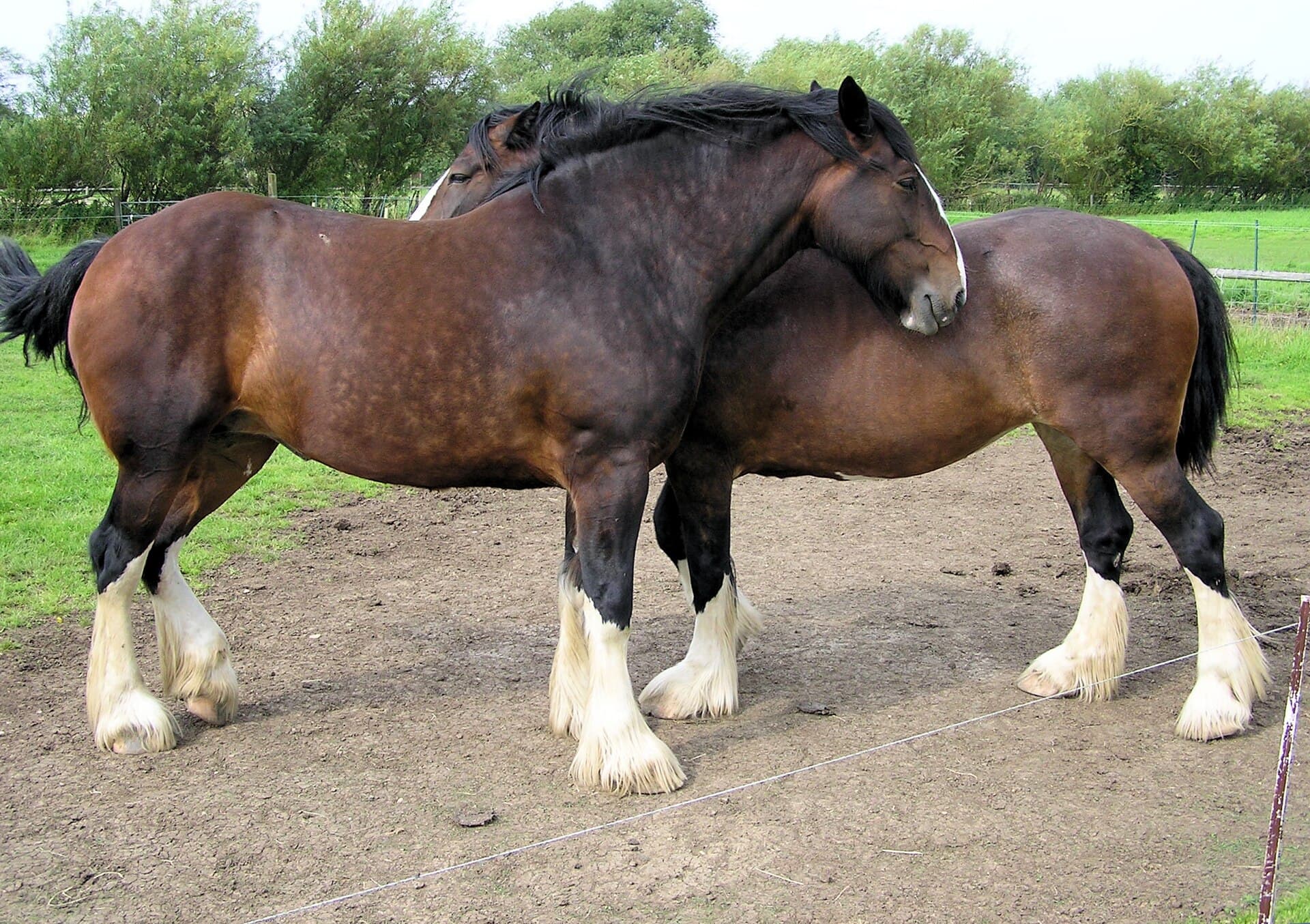
On July 31, 1917, Ansel Mills Easton's $50,000 house on the ranch was nearly done; the plumbers had finished and the plasterers were about to start. Workers set off a dynamite blast and went a mile away for lunch. A burning piece of fuse landed in the house, and by the time they ran back it couldn't be saved. About 150 people from nearby came to fight the fire, and the ranch's prize shire horses, worth $50,000, were unharmed. Before the ashes were cool, twenty carloads of lumber were on their way to rebuild. (Danville Journal, Aug. 4, 1917)
3. A Caterpillar founder owned it, then a pineapple company
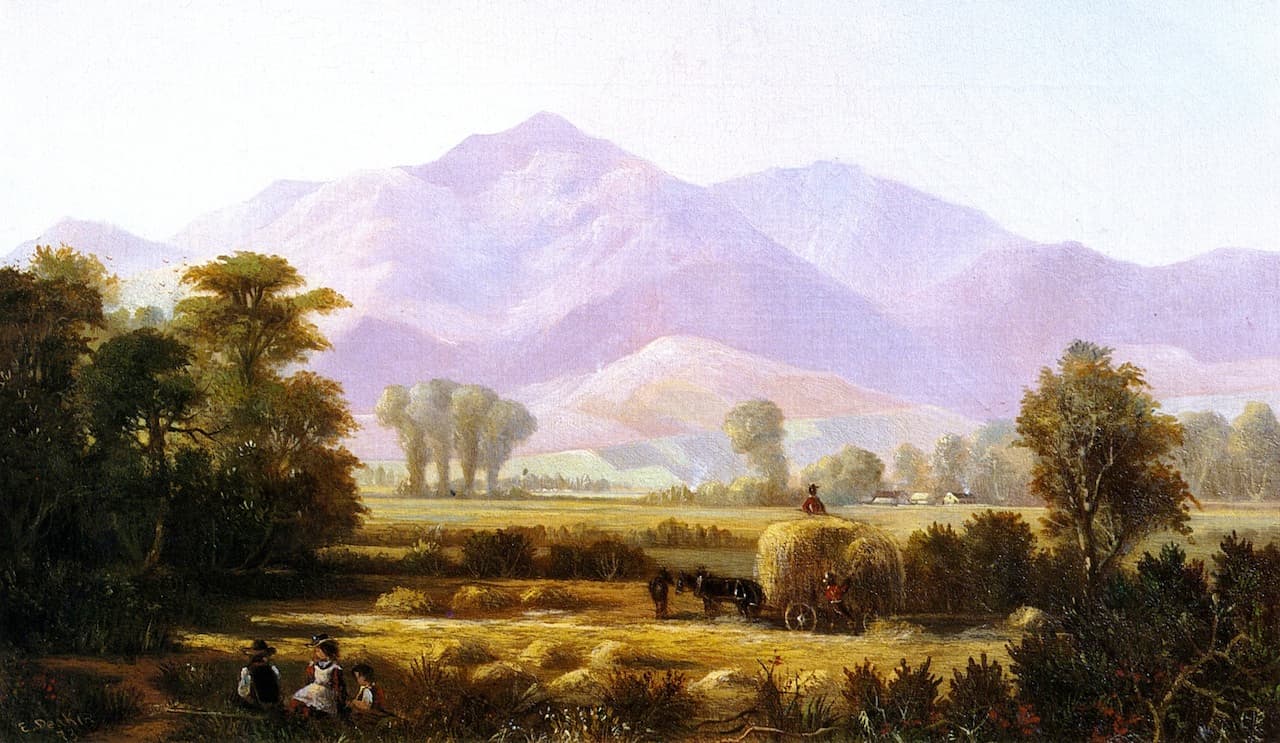
The ranch later belonged to Raymond C. Force, one of the founders of Caterpillar Tractor. In the 1950s his widow sold it to Castle & Cooke of Honolulu, the Hawaii sugar and pineapple company, in what the Walnut Kernel called one of the largest land deals in recent Bay Area history. (Walnut Kernel, Feb. 21, 1957)
4. Someone planned to build here 15 years before Blackhawk
In 1957 Castle & Cooke hired Skidmore, Owings & Merrill, the architects who would later design Dubai's Burj Khalifa, to draw a master plan for the 6,500-acre ranch. Nothing was built. In 1964 the ranch, then raising cattle and walnuts, was sold to Peterson Tractor of San Leandro, which planned to keep it running as a ranch. (Walnut Kernel, Feb. 21, 1957; Walnut Kernel, Aug. 13, 1964)
5. The first buyer was said to be "in Switzerland"
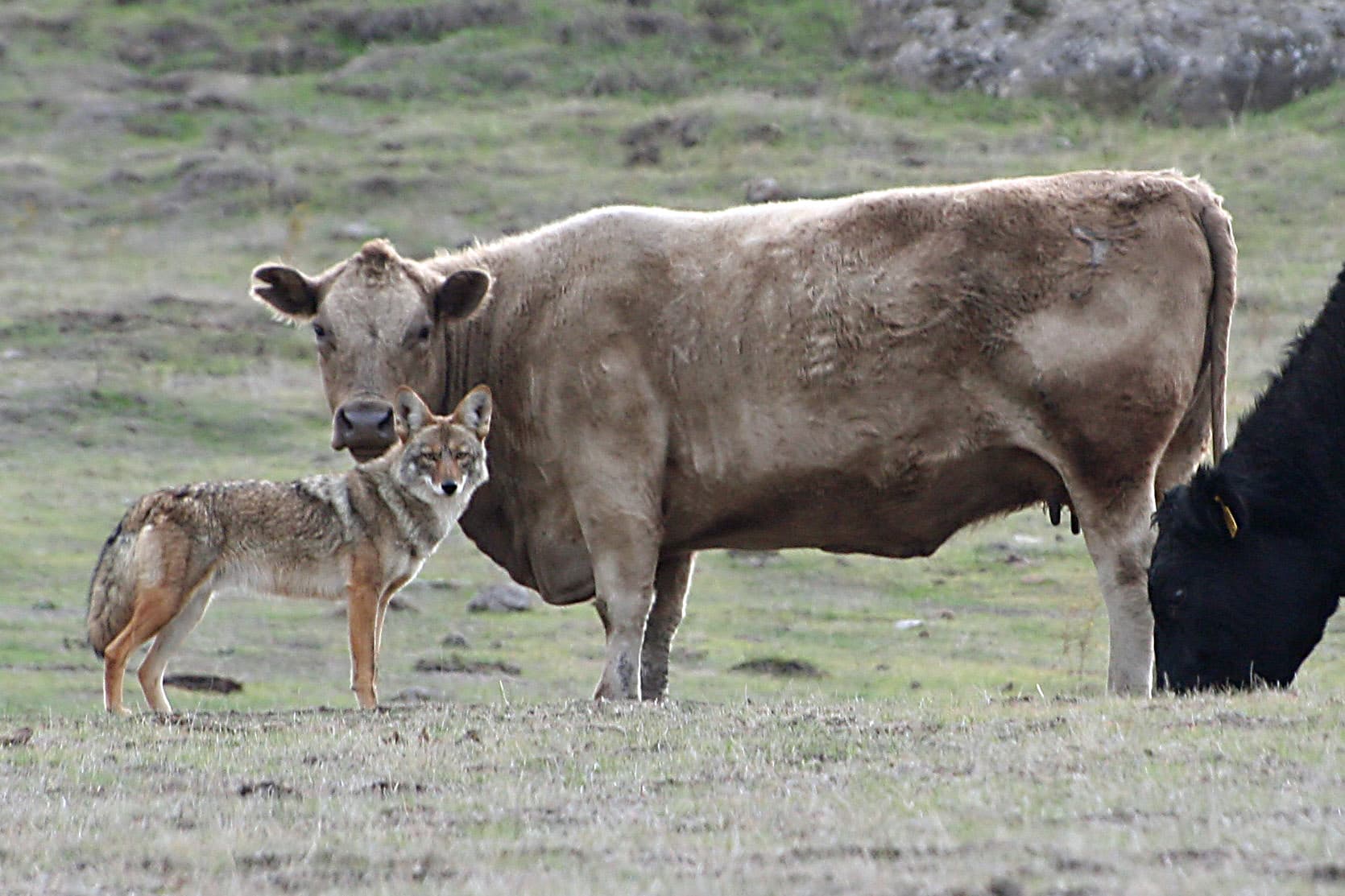
On Aug. 1, 1972, the Contra Costa Times asked on its front page: "Housing Slated For Mt. Diablo?" Someone had taken an option to buy all 4,806.92 acres. Peterson Tractor would say only that the option holder was in Switzerland and that questions should go to him or his attorney. Conservationists heard about it from a park official. (Contra Costa Times, Aug. 1, 1972)
6. The developer sued its critics for libel and lost
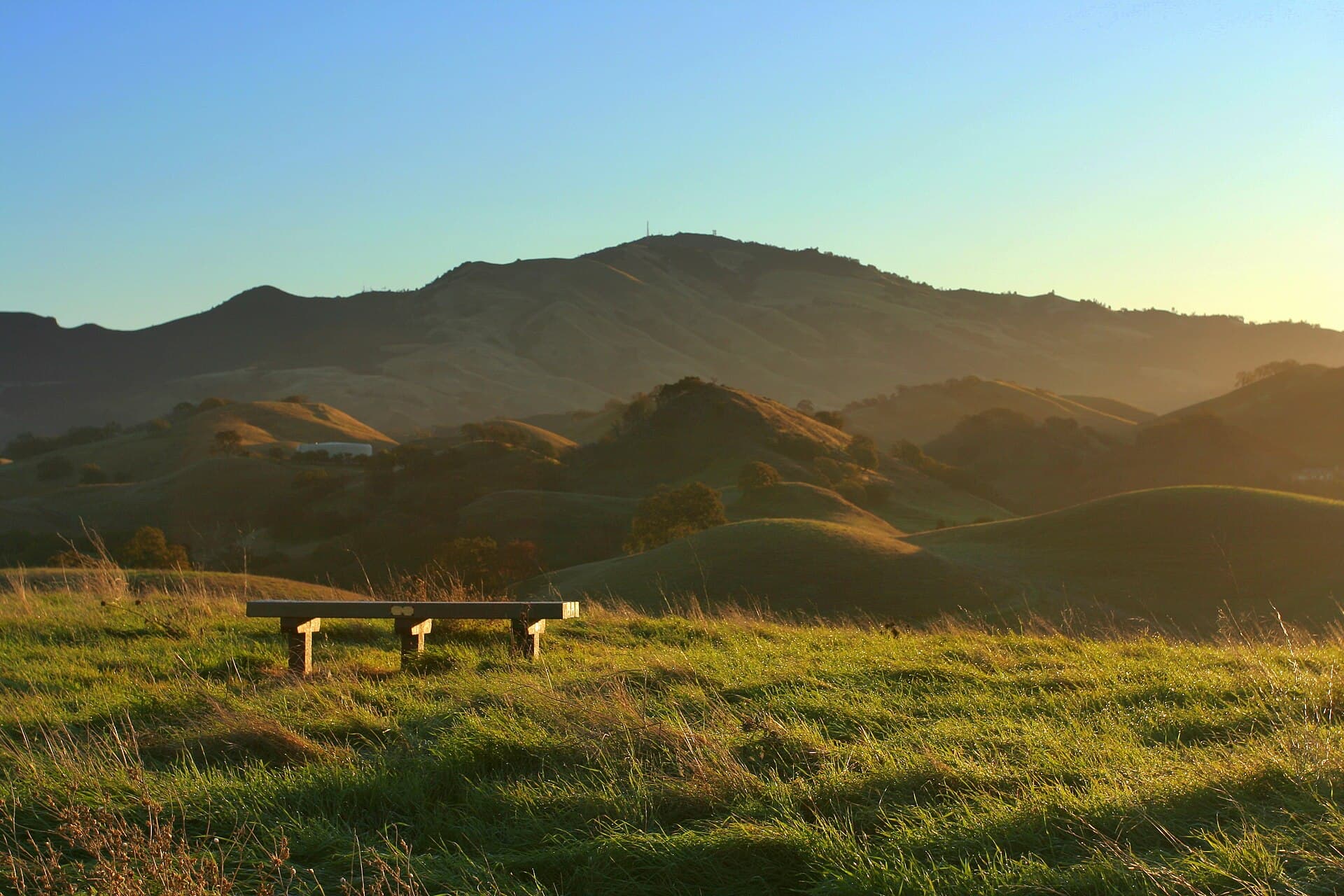
Florida developer Ken Behring and his partners won county approval for 4,200 homes in October 1974, over the advice of the county's own planning staff. Opponents sued and gathered signatures for a referendum. In March 1976 the Blackhawk company sued two Diablo residents who had led the referendum campaign for libel, saying every month of delay cost it $60,000. A judge threw the case out in April 1977: what the women had said was protected by the First Amendment. (SF Examiner, Oct. 8, 1974; Oakland Tribune, March 2, 1976; Contra Costa Times, May 12, 1978)
7. The fight made Mount Diablo State Park bigger
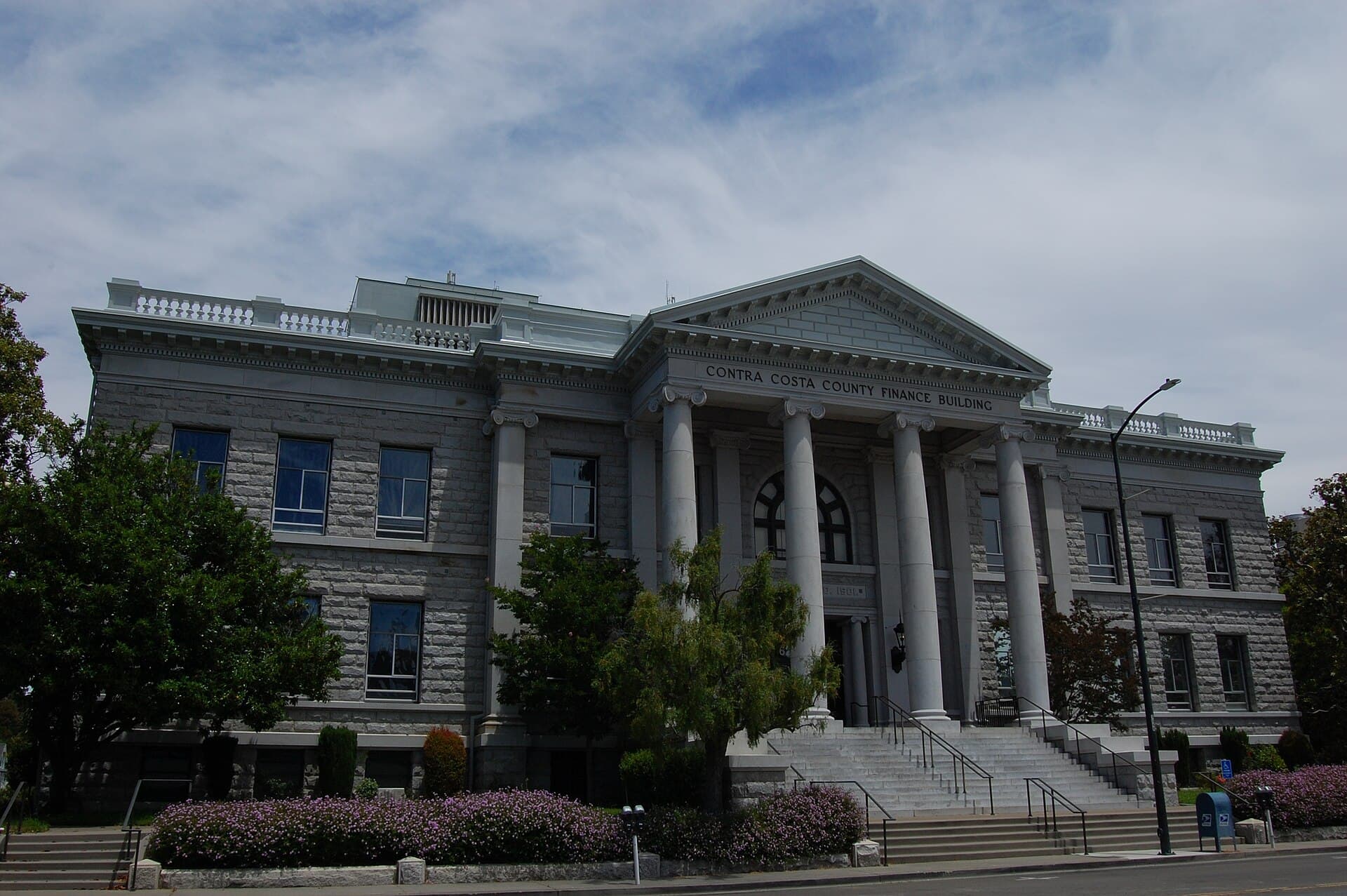
The compromise cut Blackhawk to roughly 2,400 homes and gave about 2,250 acres to Mount Diablo State Park. The last 511 acres were handed over in 1999. If you hike the mountain's southern slopes, you may be on land the "Blackhawk Wars" won. (SF Chronicle, 1999)
8. The first homes were so quiet a reporter called them "Secret Oaks"
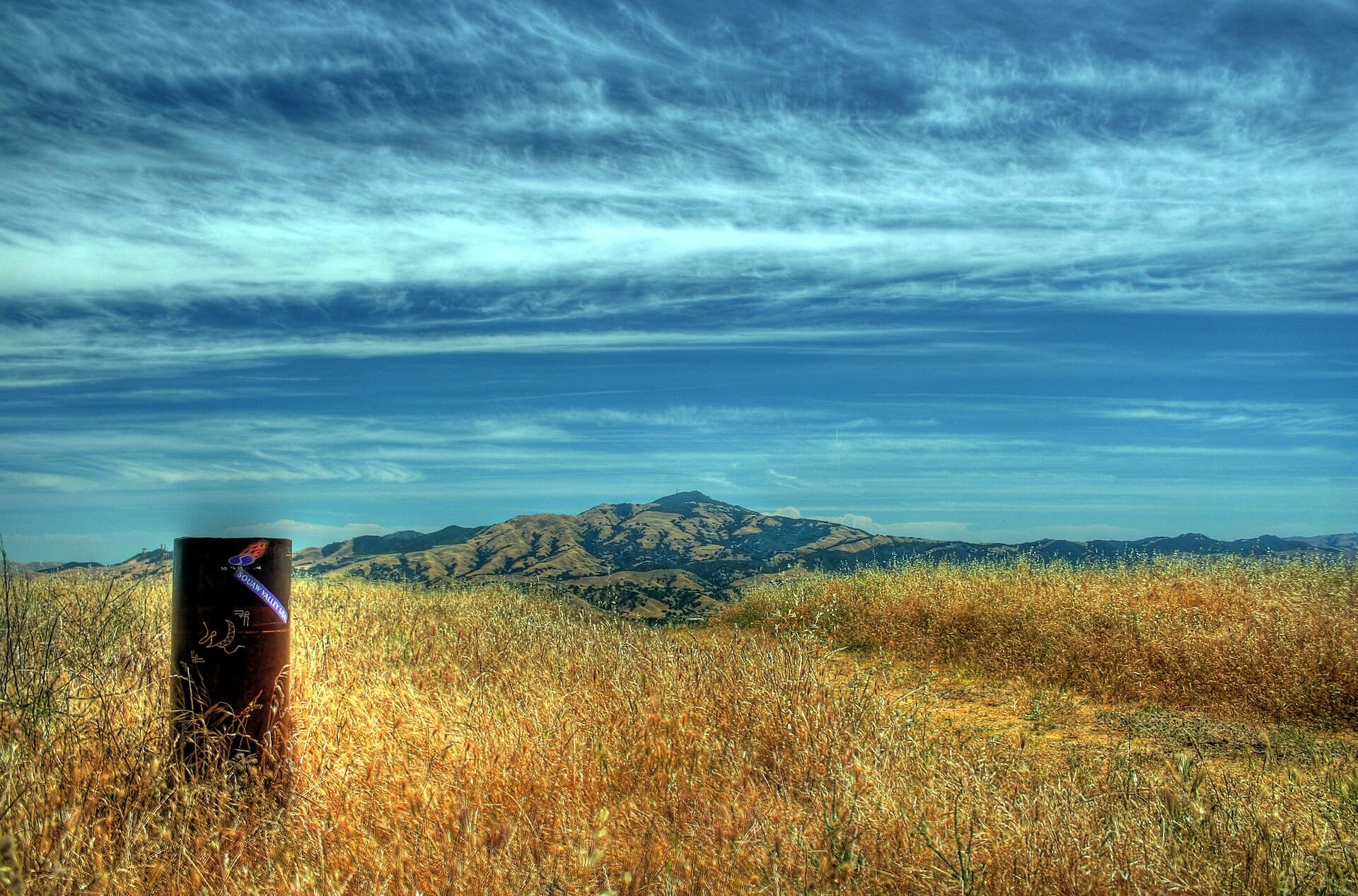
The first phase, Hidden Oaks, was going up by 1979. The Oakland Tribune said it should be renamed Secret Oaks, because the Blackhawk Co. was "worried about adverse publicity" and left marketing to the builders. A 3,600-square-foot four-bedroom on a corner lot was listed at $367,500, "neither the highest nor lowest price at Blackhawk." (Oakland Tribune, Aug. 26, 1979)
9. You could once pay part of your down payment with a classic car
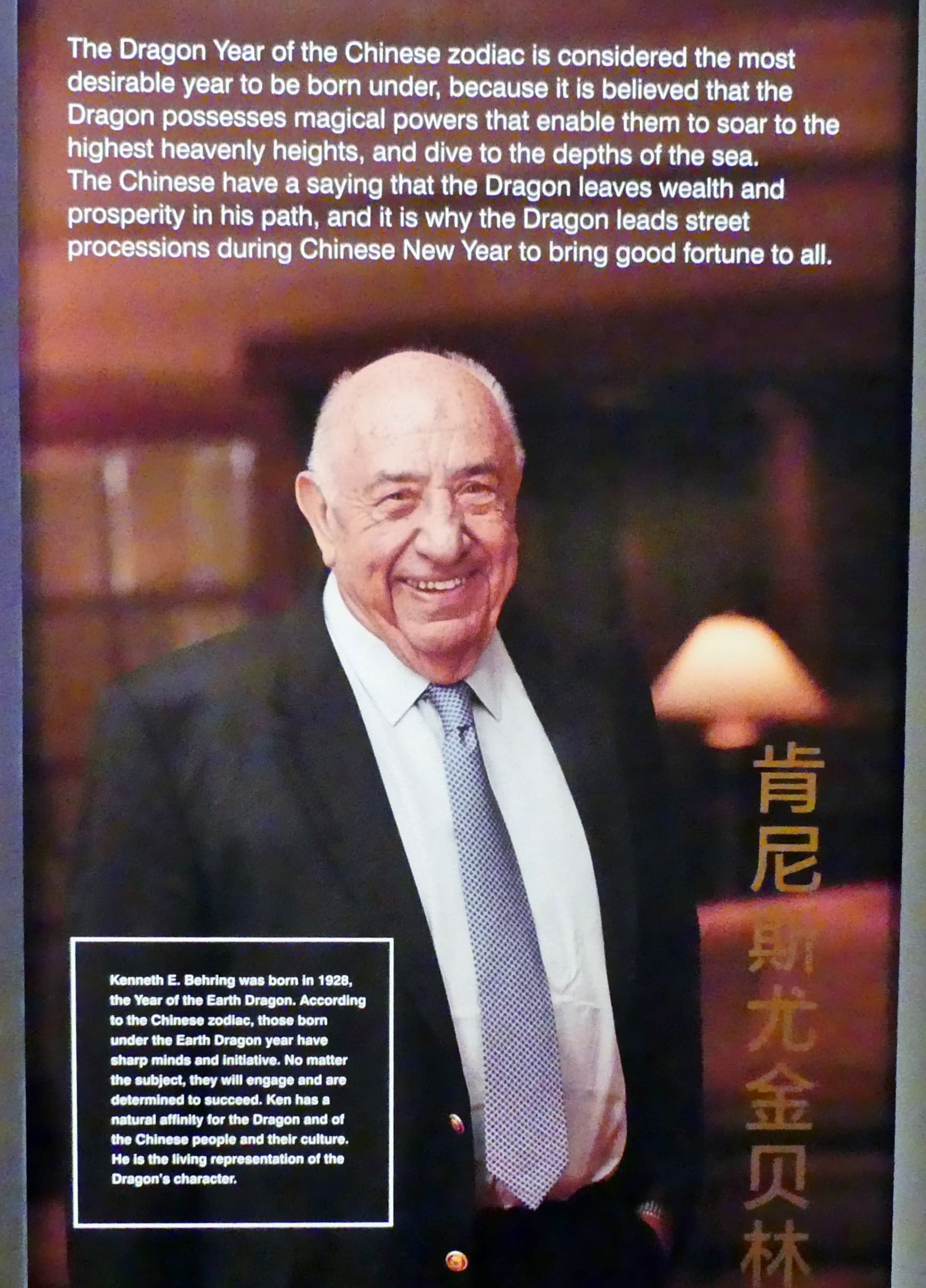
"When I first began selling homes at Blackhawk, I was so excited about cars that I would take a classic as a partial down payment on a house," Behring told the SF Examiner in 1988. "As it turns out, the cars I took have grown more in value than the land." He kept seven favorites in a 6,500-square-foot ballroom at home, including Clark Gable's 1935 Duesenberg. (SF Examiner, Aug. 25, 1988)
10. UC Berkeley once part-owned the car museum
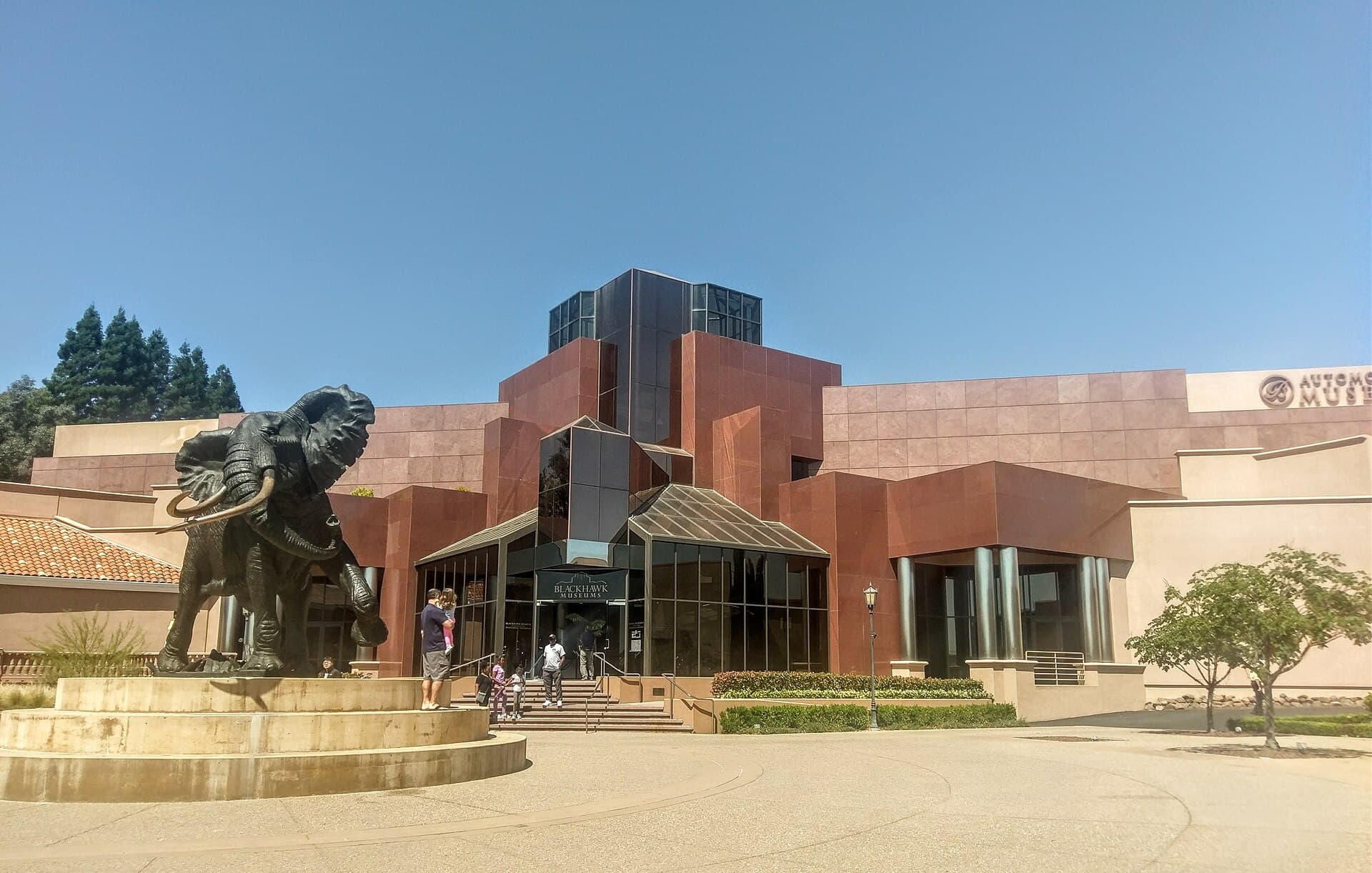
The Behring Auto Museum opened in 1988, and about a year later UC Berkeley became a part owner, with a deal to take over the car gallery in 2002. Rita Hayworth's 1953 Cadillac was in the collection. By 1994 the Oakland Tribune headline read "UC's car museum running out of gas": it cost $2.1 million to run in 1993 and took in $765,000. Today it is the Blackhawk Museum, and since 2020 its Into China gallery has shown Behring's collection of Chinese art and replicas, down to a Hongqi "Red Flag" limousine. (Oakland Tribune, Jan. 5, 1994; Visit Tri-Valley)
Sources
- Danville Journal, Aug. 4, 1917: Big fire destroys A. M. Easton residence
- Walnut Kernel, Feb. 21, 1957: Blackhawk Ranch to get master plan
- Walnut Kernel, Aug. 13, 1964: Blackhawk ranch sold
- Contra Costa Times, Aug. 1, 1972: Housing slated for Mt. Diablo?
- San Francisco Examiner, Oct. 8, 1974: Foes seek a vote on Mt. Diablo plan
- Oakland Tribune, March 2, 1976: Blackhawk sues foes of Diablo project
- Contra Costa Times, May 12, 1978: Ongoing court battles over Blackhawk tract
- Oakland Tribune, Aug. 26, 1979: One of Blackhawk's classiest
- San Francisco Examiner, Aug. 25, 1988: A $12 million shrine to classic autos
- Oakland Tribune, Jan. 5, 1994: UC's car museum running out of gas
- San Francisco Chronicle, 1999: 25 years after protests, parcel near Blackhawk given to state park
- Museum of the San Ramon Valley: Blackhawk
- Crocker Art Museum: Blackhawk (1859), via Google Arts & Culture